10 Warranty & Maintenance Advantages of Leasing
Warranty & Maintenance Benefits of Leasing
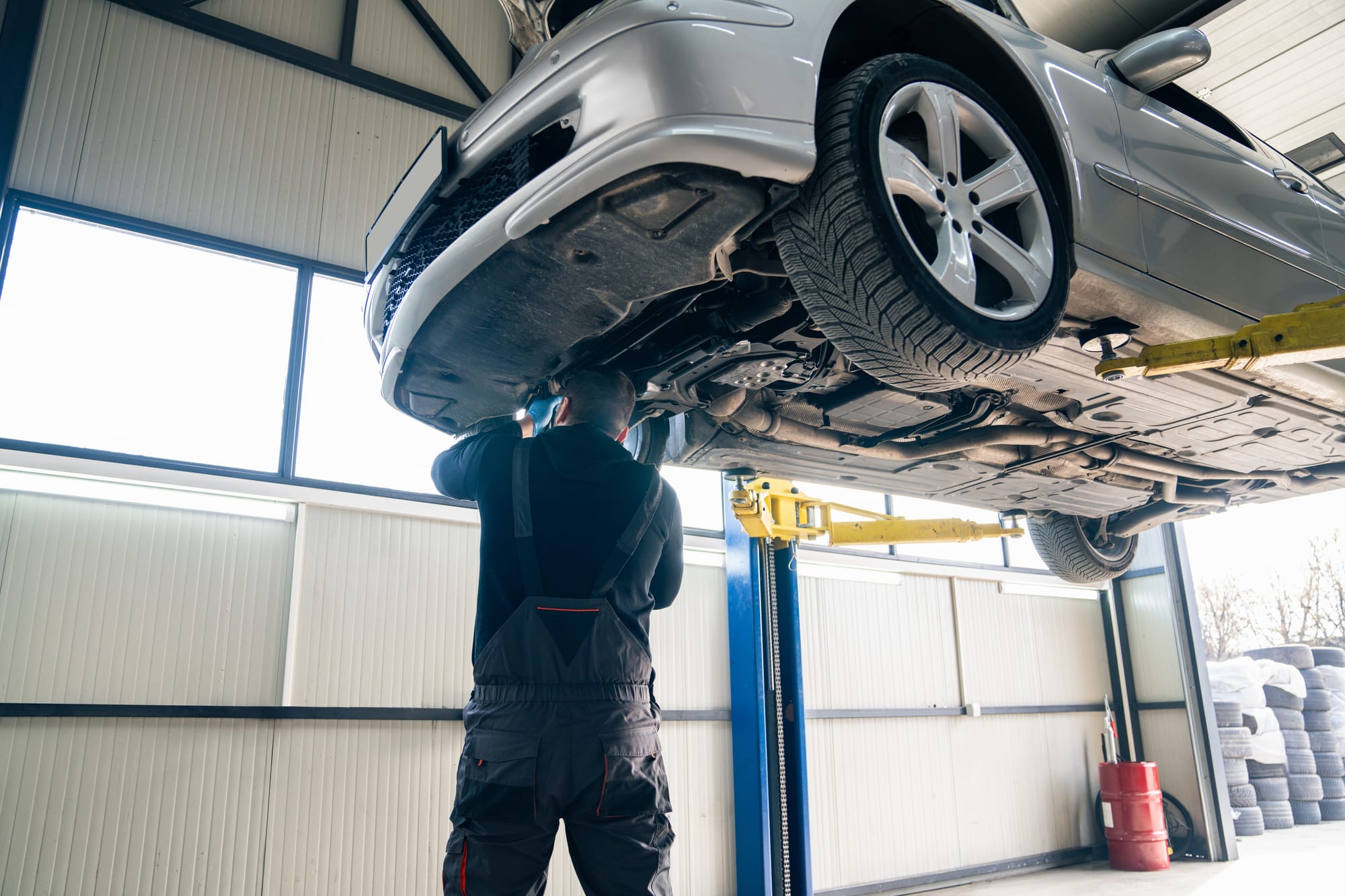
One of the most overlooked advantages of leasing is the peace of mind that comes with driving a newer vehicle. While every vehicle eventually requires maintenance, leased vehicles typically spend most or all of their lease term covered by the manufacturer's warranty. This can help reduce unexpected repair costs and make vehicle ownership more predictable.
Here are ten warranty and maintenance benefits of leasing.
1. Manufacturer Warranty Coverage
Most leased vehicles remain covered by the manufacturer's factory warranty throughout the lease term. If a covered component fails, repairs are typically handled according to the manufacturer's warranty, helping reduce unexpected expenses.
2. Fewer Major Repairs
Because leased vehicles are usually only a few years old, they're less likely to experience major mechanical failures compared to older vehicles. That means fewer unexpected trips to the repair shop.
3. Lower Repair Costs
Newer vehicles generally require less maintenance than aging vehicles. Combined with warranty protection, this can help keep your out-of-pocket repair expenses lower during your lease.
4. Better Reliability
Modern vehicles are built with improved engineering, materials, and quality control. Leasing allows you to benefit from driving a newer, more reliable vehicle without worrying about the long-term effects of age and mileage.
5. Reduced Stress
Unexpected vehicle repairs can be frustrating and expensive. Leasing often provides greater peace of mind because many costly repairs are covered under the manufacturer's warranty during the lease term.
6. Access to the Latest Technology
As vehicles become more advanced, manufacturers continue improving reliability and diagnostic systems. Leasing allows you to benefit from these improvements every few years instead of driving older technology.
7. Less Downtime
Newer vehicles generally spend less time in repair shops. That means more time enjoying your vehicle and less time arranging alternate transportation.
8. Easier Maintenance Planning
Routine maintenance like oil changes, tire rotations, and inspections can be scheduled according to the manufacturer's recommended maintenance schedule, making vehicle care simple and predictable.
9. Avoid Aging Vehicle Expenses
As vehicles age, repair costs often increase. Components such as suspension parts, cooling systems, electronics, and drivetrain components eventually wear out. Leasing allows many drivers to return the vehicle before these larger expenses become more common.
10. Greater Peace of Mind
Perhaps the greatest maintenance benefit of leasing is knowing you're driving a newer vehicle that's designed with today's engineering, technology, and warranty protection. For many drivers, that confidence is just as valuable as the financial savings.
Is Leasing Right for You?
Leasing can be an excellent option for drivers who value reliability, predictable ownership costs, and the confidence that comes with driving a newer vehicle.
If you prefer keeping the same vehicle for many years and don't mind taking on additional maintenance as it ages, financing may better fit your long-term goals.
Understanding your driving habits and priorities will help determine which option is best for you.
Let The Lease Team Help
Whether you're interested in a luxury sedan, family SUV, pickup truck, hybrid, or electric vehicle, The Lease Team can help you compare lease programs and explain the benefits of driving a newer vehicle.
We'll help you find a lease that fits your lifestyle while providing the confidence that comes with today's vehicles.
Frequently Asked Questions
Does leasing cover maintenance?
Routine maintenance is generally the driver's responsibility unless the manufacturer includes complimentary maintenance as part of the lease program. Coverage varies by manufacturer.
Are leased vehicles covered under warranty?
In most cases, yes. Most leased vehicles remain under the manufacturer's factory warranty throughout the lease term.
Will I still have to pay for oil changes and tire rotations?
Yes. Routine maintenance is typically the driver's responsibility unless it's included by the manufacturer.
Are leased vehicles more reliable?
Because leased vehicles are newer, they generally experience fewer major repairs than older vehicles.
Is leasing a good option if I want to avoid expensive repairs?
For many drivers, yes. Leasing often allows you to drive a vehicle while it's still under warranty and before age-related repairs become more common.